You’ve probably heard that lungs are vital for life. What if someone had to live for two days without them? This isn't a sci-fi movie plot, but a real medical case that could change the future of medicine. We managed to keep a patient alive for 48 hours without lungs, waiting for a transplant. It sounds incredible, but it's true. You need to know how this was possible.
A race against time
It all started in the spring of 2023. A 33-year-old man was diagnosed with influenza that quickly turned into a severe form of pneumonia, sepsis, and acute respiratory distress syndrome (ARDS). His lungs were so badly damaged that they began to liquefy, spreading the infection throughout his body.
What is ARDS?
ARDS is a life-threatening condition that causes fluid to build up in the lungs. This prevents oxygen from reaching the bloodstream. In this particular case, the infection was resistant to all antibiotics, making traditional treatment impossible. The patient was on the verge of death.
The radical solution: Total Artificial Lung (TAL)
In such critical situations, doctors usually place the patient on life support. However, here the lungs themselves were the source of the deadly infection. Removing both lungs (a bilateral pneumonectomy) is extremely risky, as it can lead to heart failure due to disruptions in blood flow. Previous attempts to overcome this were unsuccessful.
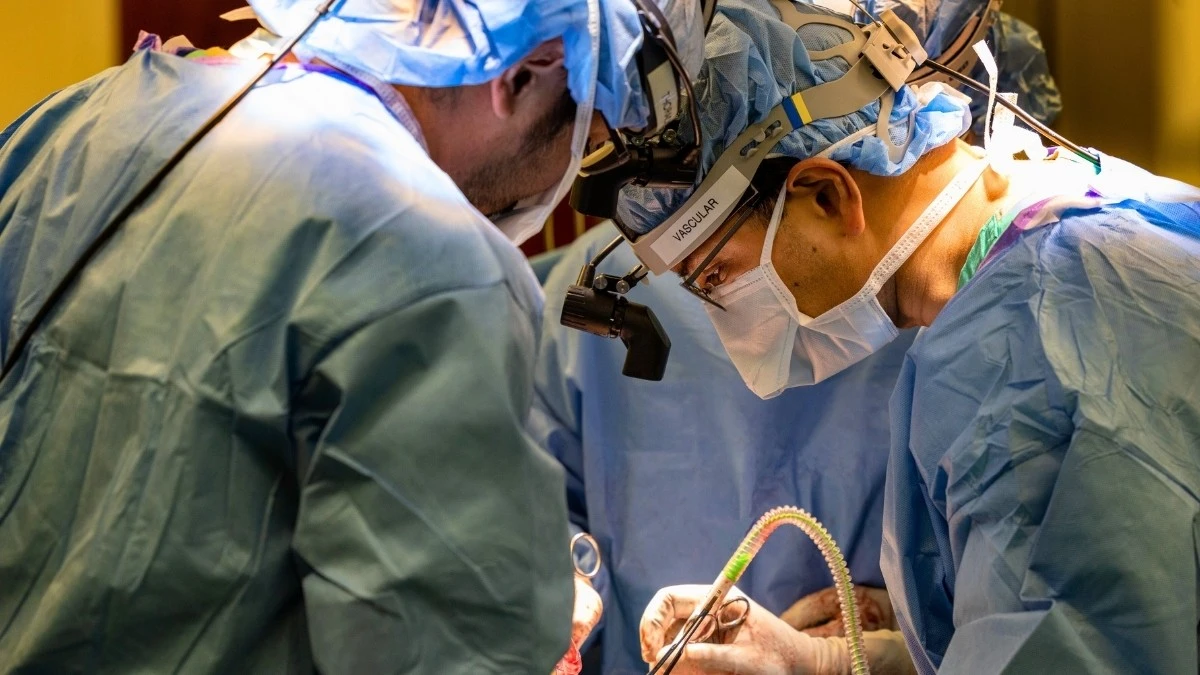
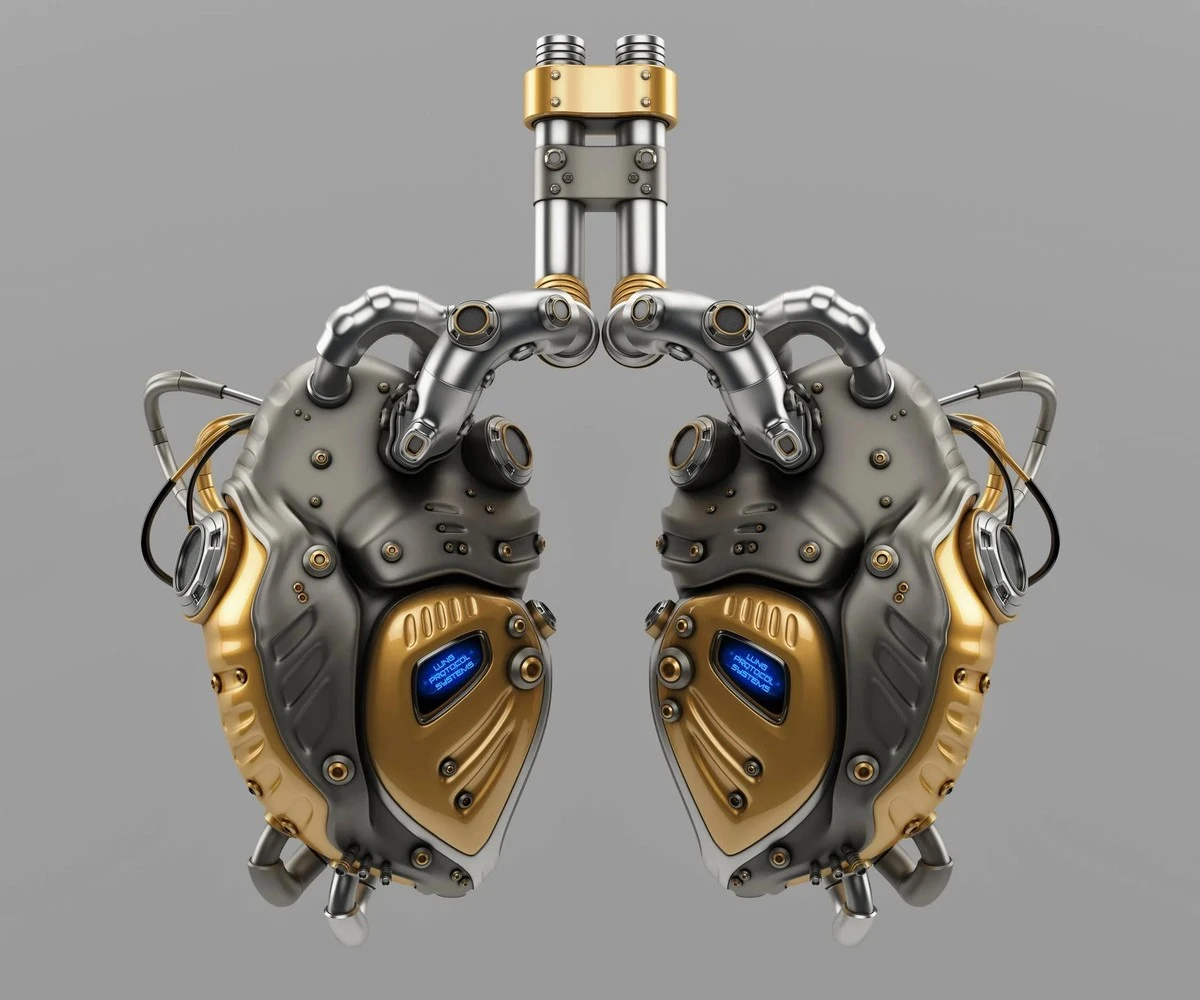
A team from Northwestern University in the US developed a revolutionary solution: a Total Artificial Lung (TAL) system. This device doesn't just support breathing; it fully oxygenates the blood and manages blood flow, protecting the heart. It’s like giving the body a temporary, external set of lungs.
How it works:
- The TAL system can take over the function of the lungs.
- It ensures that blood is properly oxygenated.
- It stabilizes the patient's condition for complex procedures.
Beyond expectations: Recovery and hope
Thanks to the TAL system, the patient was stabilized. This gave the medical team crucial time for a double lung transplant. After the donor lungs were successfully implanted, the signs of infection began to recede. The man recovered exceptionally well and now has fully functional lungs.
Molecular analysis confirmed that his original lungs were beyond repair due to ARDS. A transplant was the only way to save him.
When is a lung transplant necessary?
Generally, lung transplants are reserved for chronic conditions like cystic fibrosis. However, this case proves that they can also be a lifesaving option for patients with severe, acute lung damage caused by infections.
"In my practice, young patients die almost every week because no one realized that transplantation was an option," says thoracic surgeon Ankit Bharat. This case highlights a vital, often overlooked, treatment possibility.
Lessons learned and future implications
This groundbreaking procedure was performed at a specialized center. However, the innovations developed for the TAL system could potentially be integrated into more standard medical devices in the future. This could expand the possibilities for treating patients with severe lung damage.
Timely access to donor lungs remains a challenge. But knowing that such radical interventions are possible offers immense hope. For patients facing the worst lung damage, a transplant might just be their only chance for survival. This is a significant step forward in critical care medicine.
Have you ever encountered a medical story that made you rethink what's possible? Share your thoughts in the comments below!